
Non-Doing isn't Doing Nothing
The Natural State of Effortless Action

Lately—like so many people I know—I’ve been trying to figure out a way to make room for the kind of wonder and curiosity that honors what it takes to live in times of great uncertainty. A recent conversation with a wise friend and colleague reminded me that to acknowledge existential threats and to feel empathy for other people, while also rejecting living in fear, is mentally and physically demanding.
“Unless,” she said, “You commit to the practice of non-doing.”
Why We Do What We Do
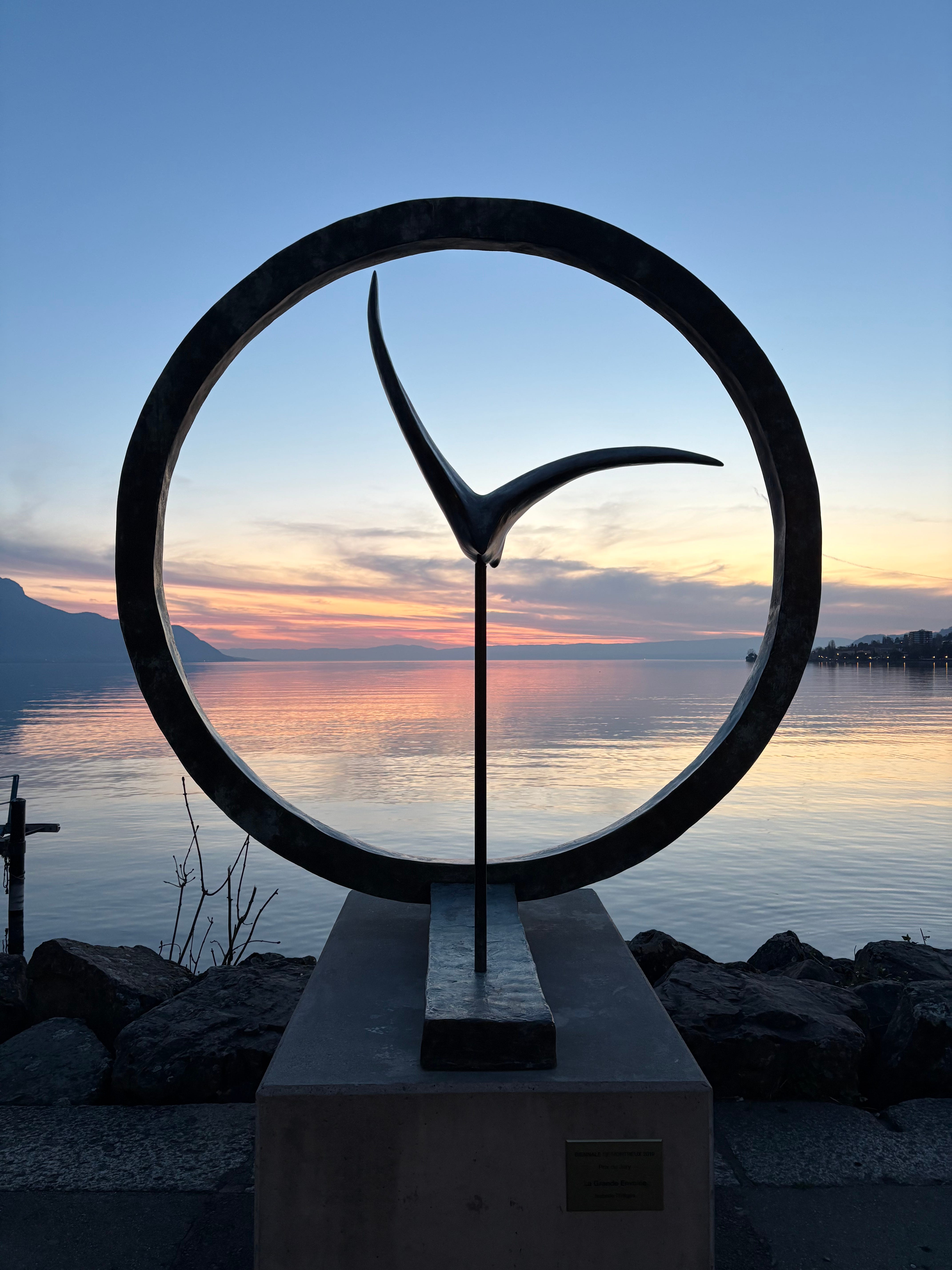
This concept of non-doing isn’t the same as doing nothing. It isn’t about tuning things out like a child with his fingers in his ears, nor is about being lazy. Though both those choices have their place in our lives at times, non-doing is intentional. We make the choice to enter a natural state of effortless action whenever and wherever we can by rejecting must-dos and should-dos in favor of engaging in actions that replenish energy and bring joy.
One day last week, instead of eating my usual desk salad, I took my lunch and my sketchbook out to the lighthouse near where I live. Wrapped in a blanket on a bench, I observed the birds while I ate. It was lovely and it refreshed me. I wondered, why don’t I do this more often?
But I know the answer to that question, and likely you do too. It’s the reality that our current work culture and global economic systems incentivize us to orient around the idea that we must have more and do more to earn our worth. Messages that busy is better pervade our world. Social media scrolling has replaced so many of the non-doing practices we once regularly did without thinking, such as sitting in stillness, taking a walk to nowhere, making art for no one to see, and so much more.
Non-doing isn’t about numbing our thoughts and feelings, or turning a blind eye to what’s happening in our lives. It is focused on being present, and sometimes choosing not to act. My wise friend also reminds me, just because you can doesn’t mean you should. Non-doing acknowledges that no matter how much we try, it’s impossible to control every aspect of our lives, and that is perfectly fine.
If you’re like me, you might find it pretty easy to get caught in a state of constant doing. Or perhaps you struggle with the opposite, which is to become immobilized and unmotivated. Yet there is a deliberate, active state of being that is much healthier than being stuck in high gear or tuned out and turned off.
The practice of non-doing encourages us to take intentional pauses, to give us the space and freedom to make choices in our best interest, often with a spirit of light-hearted playfulness. Whether it’s stretching your body, meditating, or going on an artist date, when acts of non-doing become part of our lives, we are better for it.
This week, which act of non-doing will you gift to yourself?
Read Me | Don’t Ban Me
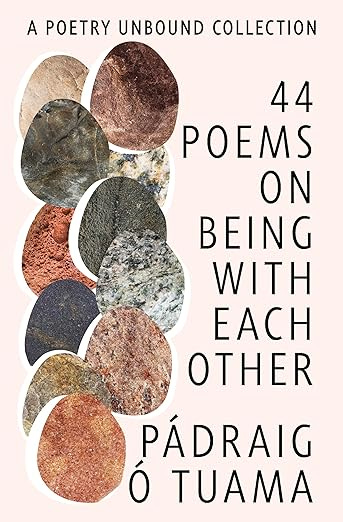
Whenever my ability to close read is impacted by life’s distractions, I turn to poetry. In a previous post, I reviewed 50 Poems to Open Your World, the first Poetry Unbound Collection edited by Irish poet and theologian, Pádraig Ó Tuama.
His latest collection, 44 Poems on Being with Each Other is a book for our times. In addition to every beautiful selection, the reflections following each poem offers a heaping dose of hope.
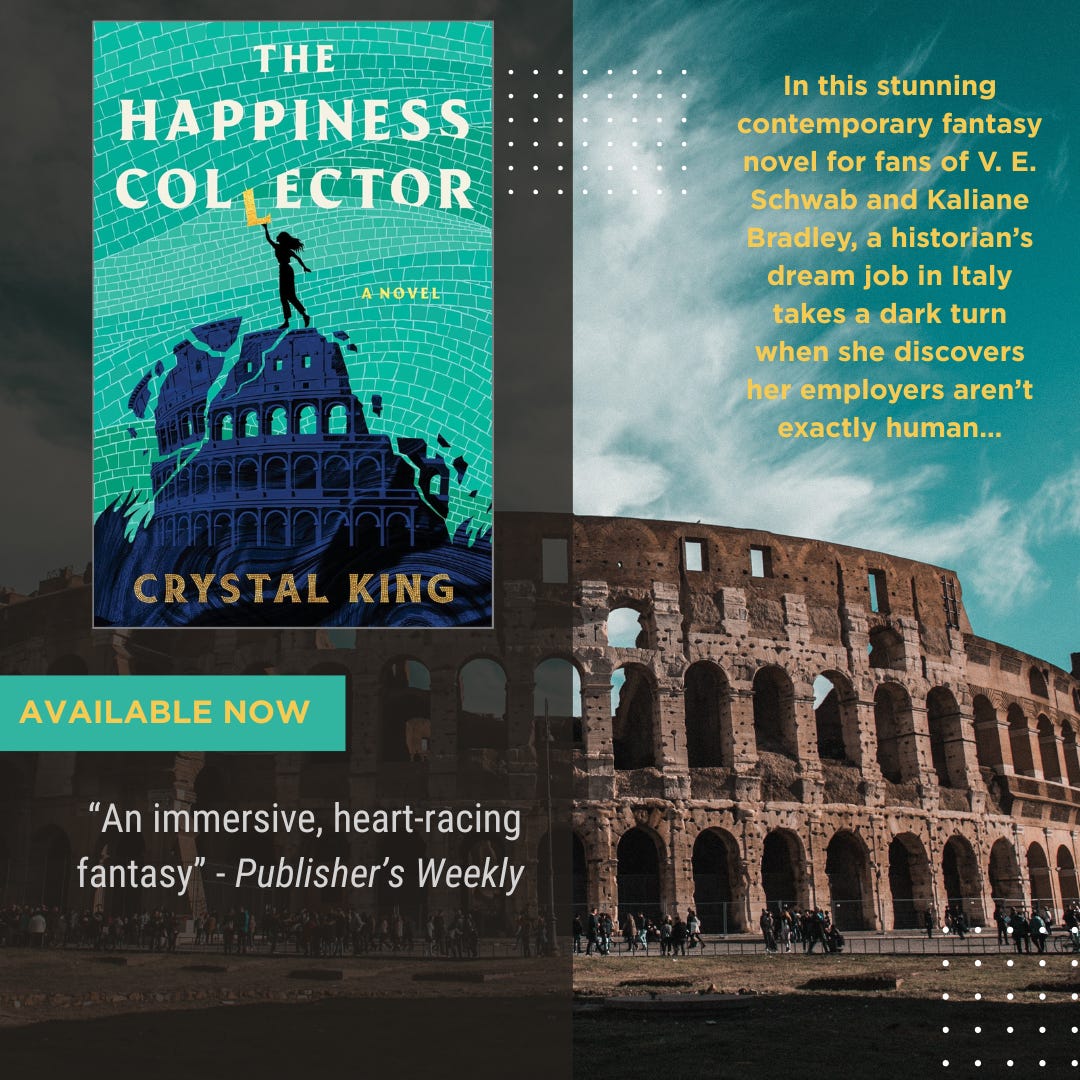
Reading books, especially those written by friends, is perhaps my favorite non-doing activity. If you’re interested in a fiction selection than race to the bookstore to get your copy of The Happiness Collector by Crystal King. The novel just published this week is already getting rave reviews. And when asked what the novel is about, Crystal said, “It’s what I call my “reverse Pandora’s box” story. It’s contemporary fantasy with unexpected romance and mythology woven throughout.”
In Case You Missed It—
Earlier this week I posted the announcement of my next six session virtual writing workshop. This one is focused on writers with a completed book-length work who are interested in querying agents and/or editors.
You’ve Written a Book, Now What? will take you through the process of deciding if your book is ready for submission; learning about publishing paths right for your book; crafting your pitch material; writing the all important query letter; and developing your submission strategy for when you’re ready.
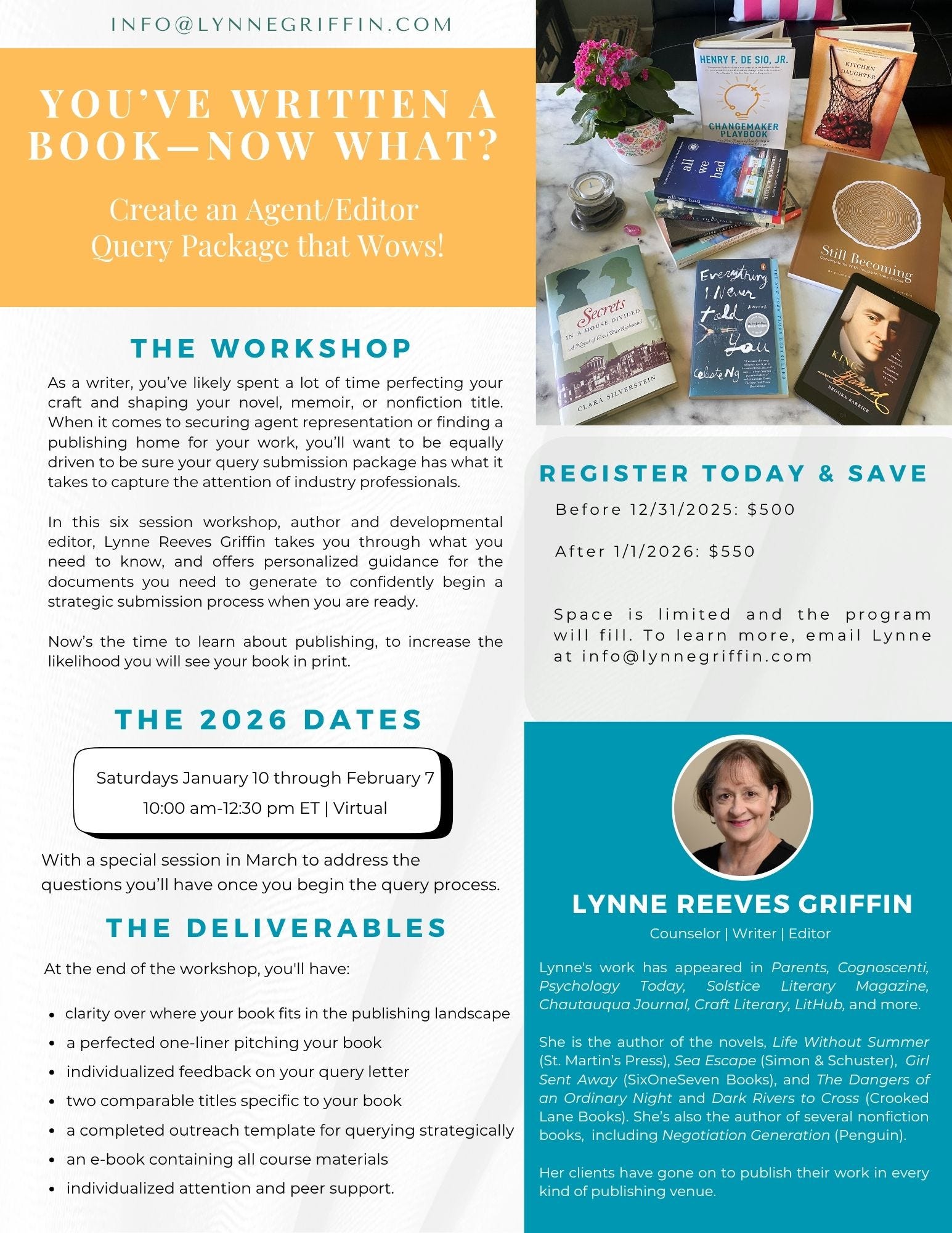
Register before December 31 for an early bird discount. Space is limited and the workshop will fill.
What Gives Me Energy | What Brings Me Joy
If you’re a regular reader of Family Drama, then you may know that in addition to being a school and family counselor, I also coach writers. And I’m over the moon to share that two talented people I had the pleasure to work with have recently published their books. I hope you will support them by buying their books!
Pamela Howland Wescott is the author of Burnt Umber. Her publisher describes her lovely novel this way. Through loss, love, and the courage to confront the past, Burnt Umber is a deeply moving literary novel about identity, art as a path to healing, and the power of found family. In the end, Doro discovers that the family she longed for was waiting in the most unexpected places—if only she could let go of the past to embrace it.

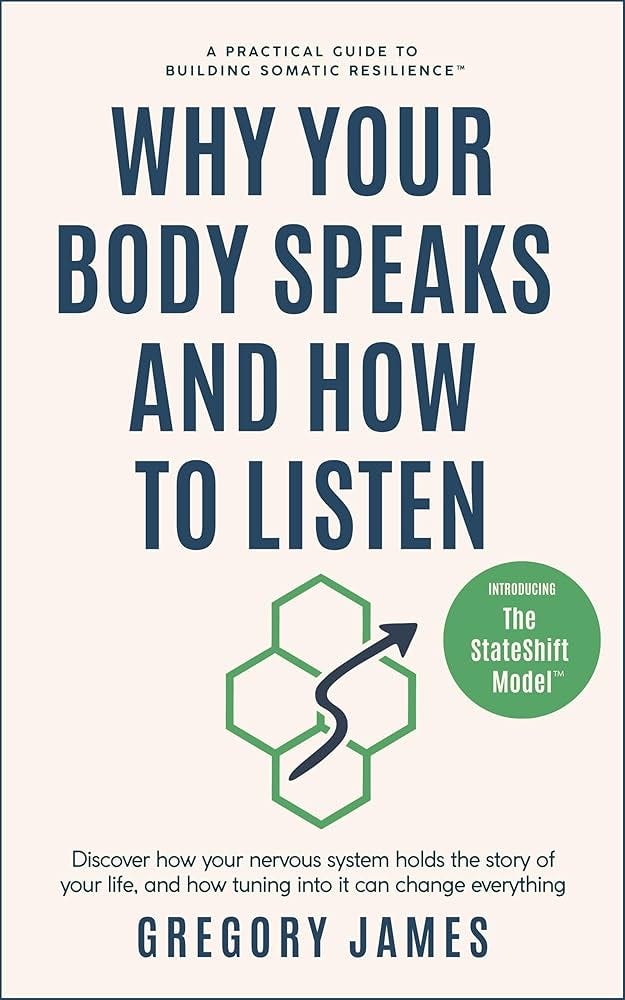
Gregory James is the author of Why Your Body Speaks and How to Listen. If you’re interested in a guide to some of the concepts of non-doing, Greg’s book is a great place to start. His publisher describes his nonfiction title like this. “Written for curious, everyday readers, Why Your Body Speaks and How to Listen is a powerful invitation to understand your body’s signals, trust its wisdom, and move toward a more connected, resilient life.”
Thank you Lynn! Newly retired, working on a balance between routine, adventure and exercise.
Practicing non-doing today!
Suzanne